Sports for kids should be play first and training second. School-age children need at least 60 minutes of moderate to vigorous physical activity a day, younger children need even more movement spread across the day, and the child should choose the sport and try several different activities during primary school before settling on one.
How much activity do children need?
The World Health Organization guidelines, which national public health institutes such as Slovenia’s NIJZ pass on to parents, are clear: children should move every day, not just at training twice a week. For younger children every bit of movement during the day counts; for school-age children it is mainly the activity that gets them out of breath.
| Age | Recommended activity | Screens |
|---|---|---|
| 1–2 years | at least 180 minutes a day, any intensity | none at age 1, no more than 1 hour at age 2 |
| 3–4 years | at least 180 minutes a day, of which at least 60 minutes moderate to vigorous | no more than 1 hour a day |
| 5–17 years | at least 60 minutes of moderate to vigorous activity a day, plus vigorous and muscle- and bone-strengthening activity 3 times a week | as little sitting in front of screens as possible |
An hour of activity does not have to be one training session. Walking or cycling to school, playing at break time, a game of tag in the playground and an afternoon kickabout with friends all count. Detailed guidance for the youngest children (in Slovenian) is in the NIJZ leaflet on physical activity for children under 5.
The best sports for kids by age
There is no single best sport. Different sports for kids develop different abilities, so in the early years it makes most sense for a child to experience as many kinds of movement as possible: running, jumping, climbing, swimming, throwing and catching.
Ages 2 to 5: learning to move through play
At this age there is no need to look for a club. A playground, walks in nature, a balance bike, a bicycle, a sledge and family swimming are enough. Many nurseries run movement programmes; in Slovenia, for example, the Mali sonček programme is aimed at children aged 2 to 6. Good first organised activities are toddler play sessions, dance, general gymnastics and swimming lessons.
Ages 6 to 9: the ABC of movement
This is when children pick up new movements quickly. The most useful option is a multi-sport programme that combines several disciplines:
- athletics – running, jumping and throwing underpin almost every other sport;
- gymnastics and dance – balance, flexibility and body awareness;
- swimming – water safety and a whole-body workout;
- ball games – football, basketball, volleyball and handball for teamwork;
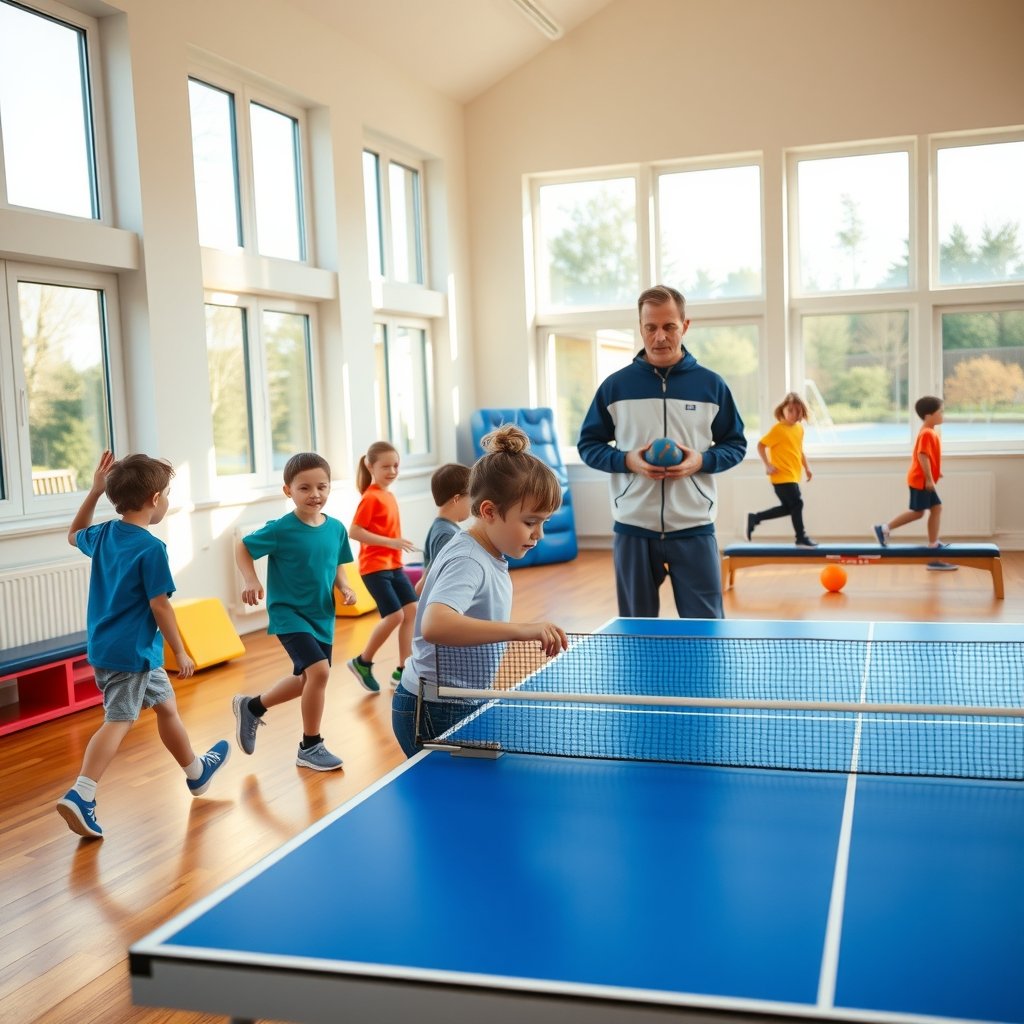
- racket sports – table tennis, badminton and tennis for hand–eye coordination.
Schools also offer after-school sports clubs, which are often the cheapest and most convenient choice.
From age 10: choosing a sport
By the end of the early primary years most children know what they enjoy. That is a good time for regular club training, though still without pressure on results. Ideally, the child keeps some other form of activity alongside the main sport.
How to choose a sport for your child
Teachers and school heads give parents a few simple rules that avoid most disappointments:
- Let the child choose. Offer several options and take them to a taster session, then leave the decision to them. Children quickly sense what their parents want and may train just to please them.
- One or two activities. Including other after-school commitments, there should not be more, or there is no time left for free play and rest.
- Finish the season. Once signed up, the child should attend at least until the end of the school year and can then decide differently.
- Check the coach. A good coach praises effort, not just wins, and adapts sessions to the children’s age.
- Think about logistics. Training close to home or school and a reasonable fee mean the child can stick with it for years.
Table tennis as a sport for kids
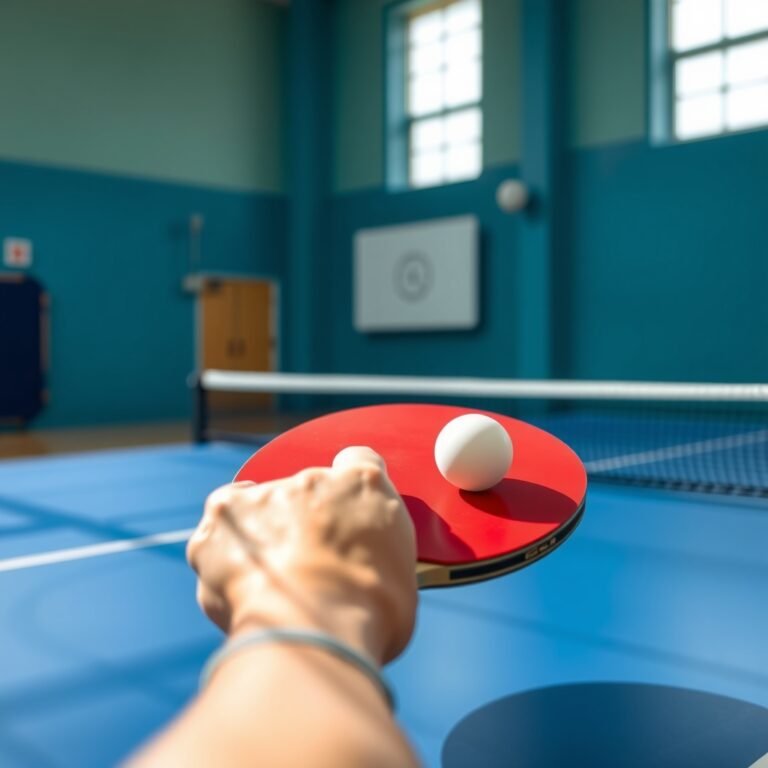
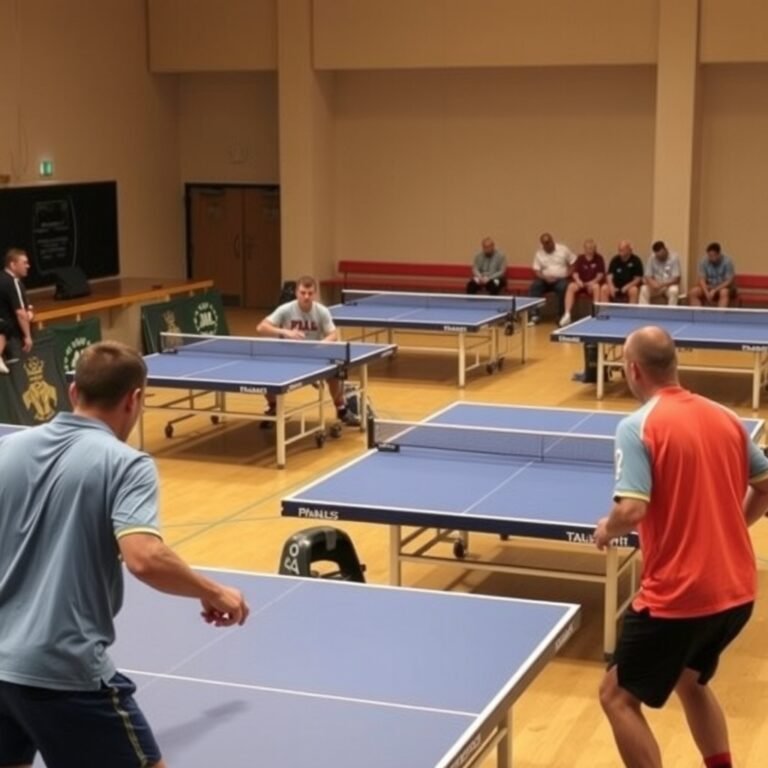
Table tennis is a good example of a sport a child can play for life. It develops quick reactions, hand–eye coordination, balance and fast footwork, while also demanding focus and tactical thinking. Because it is a non-contact sport, it also suits children who do not enjoy team sports with lots of physical contact.
You do not need expensive kit to start: a beginner’s bat, a few balls and indoor trainers are enough. The table is 76 centimetres high, so it helps if the child can comfortably reach over it and follow the ball. Many children first try table tennis at home, at school or on a campsite and then carry on at a club.
Activity for children and families
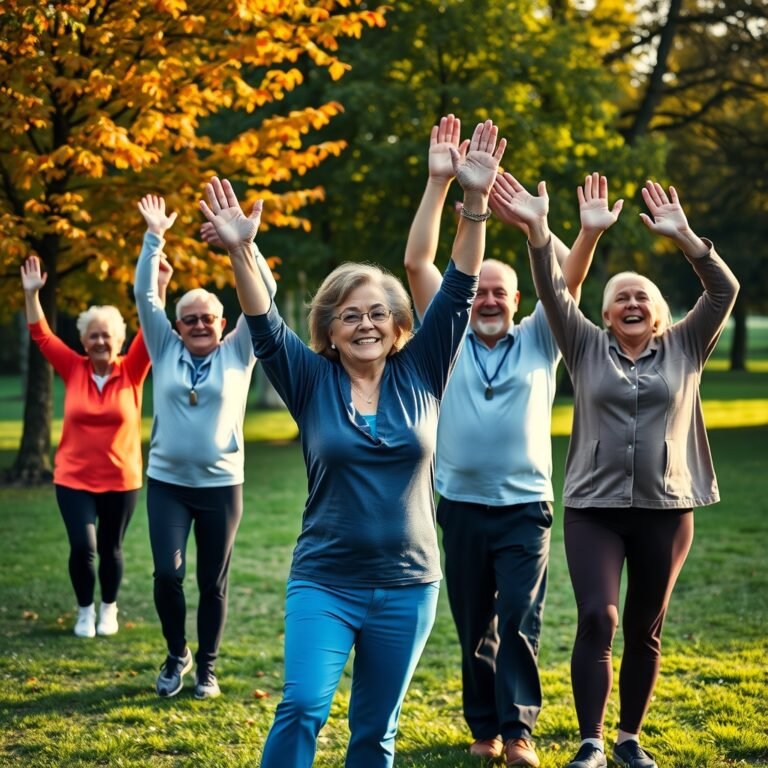
Parents are the strongest role models. Children whose parents are regularly active are more likely to see sport as a normal part of life. Recreation for kids can be very simple and need not cost much:
- weekend hikes in the hills or along themed trails,
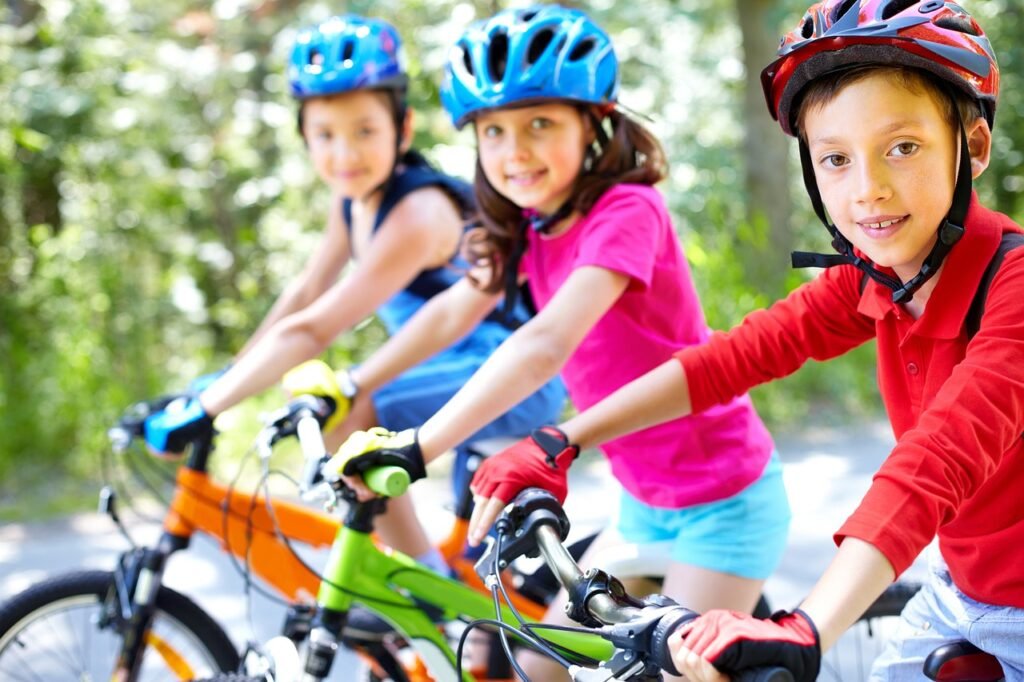
- cycling on bike paths and forest tracks,
- ice skating, sledging and cross-country skiing in winter,
- ball games, frisbee or racket games in the park,
- a family game of table tennis on a public table or at home.
Activities like these are not a competition but time spent together, which is exactly why children often learn to love moving through them.
Early specialisation and signs of overload
Research shows that specialising early in a single sport does not lead to better long-term results, but it does raise the risk of overuse injuries, stress and burnout. That is why experts advise against serious competitive training in the first years of primary school.
Watch out if your child:
- often complains of pain in the joints, heels or back,
- gets grumpy before training or looks for excuses,
- is constantly tired or sleeps badly,
- shows strong anxiety or low self-esteem after losing.
If so, talk to your child and the coach and reduce the load. Persistent pain should be checked by a doctor.
Frequently asked questions
At what age should a child start sport?
Movement right away, organised general activity at around 4 or 5, and serious training in a single sport usually only after the age of 9 or 10.
What is the best sport for kids?
The one your child enjoys. In the early years, varied sports such as athletics, swimming, gymnastics, ball games and racket sports are the most beneficial.
How many training sessions a week are enough?
For younger school children two or three sessions a week are enough, plus at least an hour of free movement and play every day.
What if my child wants to quit?
Calmly talk about why, for example the coach, friends or boredom. If possible, let them finish the season and then try a different sport.