Sports nutrition comes down to three questions: how much energy you burn, how much carbohydrate and protein your training load calls for, and when you eat before and after a session. A recreational athlete who trains for an hour a day does not need special supplements. What they need is regular, generous meals with enough carbohydrate, some protein at every meal and plenty of fluid.
How much energy and which nutrients athletes need
The most common mistake recreational athletes make is not choosing the wrong foods but simply eating too little. If you train regularly but eat as if you sat at a desk all day, you tire sooner, recover more slowly and get ill more often. Good nutrition for athletes therefore starts with eating enough, and only then with the balance of nutrients.
For athletes, the ratio of protein, carbohydrate and fat is expressed less in percentages and more in grams per kilogram of body weight. That way the targets scale with your weight and your training volume.
- Carbohydrates are the main fuel for hard exercise. Muscles store them as glycogen, which lasts for roughly 60–90 minutes of intense work.
- Protein repairs and rebuilds muscle. The recommended daily intake for athletes is 1.2–2.0 g/kg, spread over 4–5 meals.
- Fat should provide around 30% of energy, mainly from olive oil, nuts, seeds and fish. Keep it low just before training, as it slows digestion.
Carbohydrate needs by training load
The 2016 joint position statement of the American College of Sports Medicine (ACSM) and the dietetic associations of the US and Canada sets carbohydrate targets according to training volume. As a guide:

| Training load | Carbohydrate per day | Example for 70 kg |
|---|---|---|
| Light: skills work, low intensity | 3–5 g/kg | 210–350 g |
| Moderate: about 1 hour a day | 5–7 g/kg | 350–490 g |
| Endurance: 1–3 hours a day | 6–10 g/kg | 420–700 g |
| Very high: more than 4 hours a day | 8–12 g/kg | 560–840 g |
That is why nutrition for cyclists, marathon runners and triathletes is far richer in carbohydrate than for a table tennis player who trains for an hour and a half with plenty of breaks. Good sources include wholegrain bread, oats, pasta, rice, potatoes, buckwheat, fruit and pulses.
When to eat: before, during and after exercise
Before training
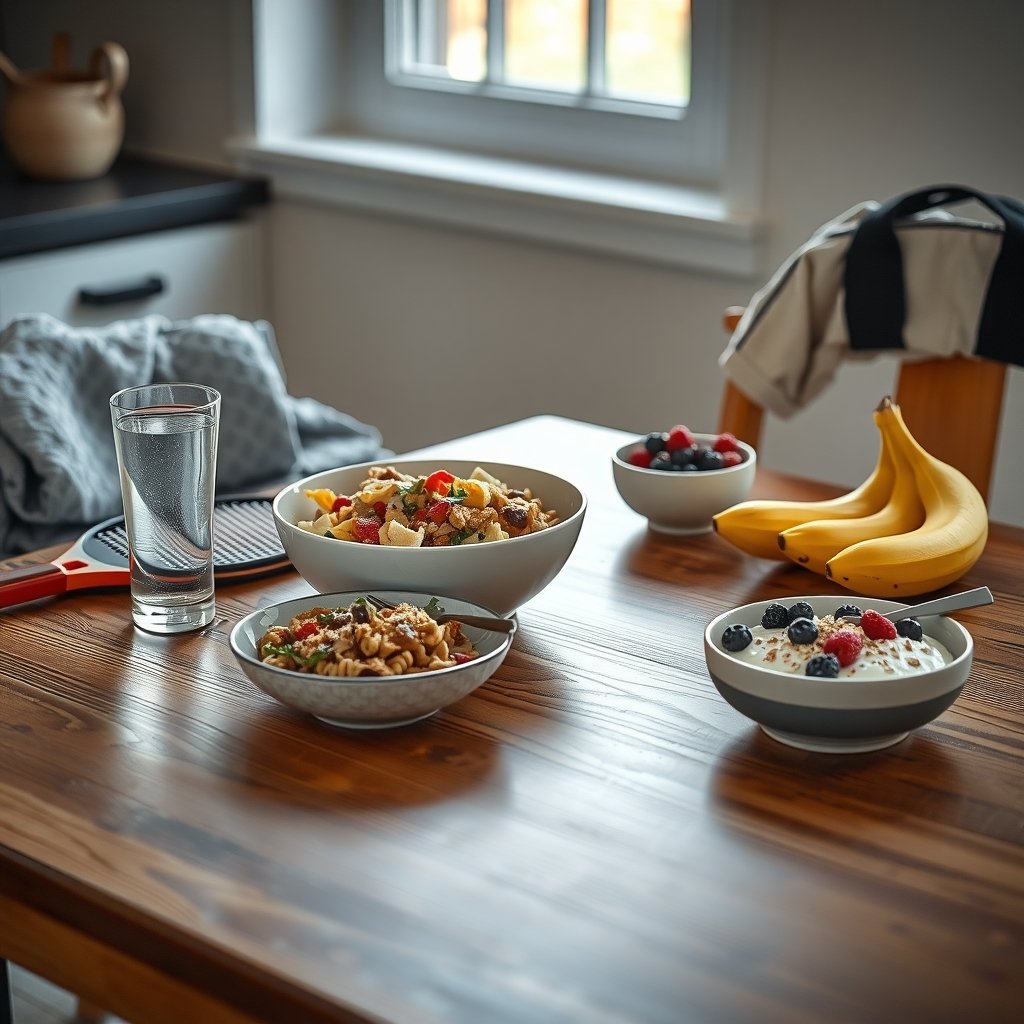
Have your main meal 3–4 hours before training or a match, for example pasta with chicken and vegetables. If time is short, a light snack 1–2 hours beforehand is enough: a banana, bread with honey or yoghurt with oats. Avoid fatty food and large amounts of fibre, which sit heavily in the stomach. In the 2–4 hours before exercise, drink 5–7 ml of fluid per kilogram of body weight.
During training
For sessions of up to an hour, water is all you need. For longer endurance sessions (1–2.5 hours), 30–60 g of carbohydrate per hour helps, for example from a sports drink, a banana or a gel. Drink little and often, every 15–20 minutes. Losing as little as 2% of body weight through sweat in hot conditions noticeably reduces performance and concentration.
After training: recovery after hard exercise
In the first two hours after training, combine protein and carbohydrate: 20–30 g of protein (such as 250 g of cottage cheese, three eggs or a portion of chicken) with bread, rice or fruit. If your next session is less than eight hours away, refilling glycogen quickly matters most. Replace fluid at roughly 1.5 litres for every kilogram lost – weighing yourself before and after training shows how much that is. Recovery after a marathon or a long day in the mountains takes several days, so keep eating regularly and generously, not just at the first meal.
Sports nutrition: a sample meal plan
A sample day for a 70 kg recreational athlete who trains for about an hour in the evening:

- Breakfast: porridge oats with milk or yoghurt, a banana and a handful of walnuts.
- Mid-morning: wholegrain bread with cheese or egg, an apple.
- Lunch (around 1 pm): brown rice or buckwheat, chicken or beans, salad with olive oil.
- Pre-training snack (around 4.30 pm): bread with honey or a banana and a glass of water.
- After training: pasta with tuna or minced meat in tomato sauce, vegetables.
- Before bed if needed: cottage cheese or Greek yoghurt.
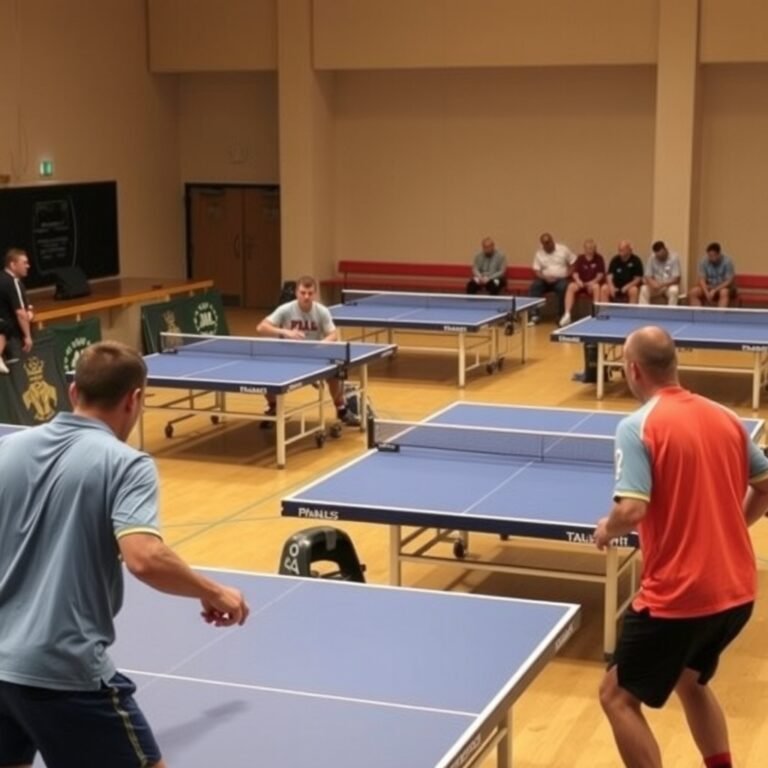
At a table tennis tournament, where matches run all day, small and easily digested snacks between matches (a banana, dried fruit, a roll with honey) and regular sips of water pay off. A heavy lunch between two matches will make you sleepy rather than stronger.
Do athletes need supplements?
Most recreational athletes do not, as long as they eat a varied diet and enough of it. A protein shake can be convenient when you cannot get to a meal after training, but it is not essential. It is worth checking vitamin D in winter, when sunlight is scarce. Licensed competitors need to be careful, because supplements can be contaminated with banned substances, so they should follow the advice of their national anti-doping organisation (in Slovenia, SLOADO). If you have a medical condition, a food allergy or are losing weight quickly, talk to a doctor or a registered dietitian.
Frequently asked questions
How much protein does an athlete need per day?
For most athletes 1.2–2.0 g per kilogram of body weight per day, spread across several meals of 20–30 g. For a 70 kg person that is roughly 85–140 g a day.
What should I eat before a morning workout?
If you train soon after waking, have a small, easily digested carbohydrate snack such as a banana, bread with honey or a few spoonfuls of oats with yoghurt, plus a glass of water.
What should I eat after training for fast recovery?
Within two hours of exercise, combine 20–30 g of protein with carbohydrate, for example cottage cheese with fruit, eggs on toast or chicken with rice, and replace the fluid you have lost.
Are sports drinks necessary?
For sessions of up to an hour, water is enough. Drinks containing carbohydrate and salt help during exercise lasting longer than an hour, especially in the heat and when you sweat heavily.